

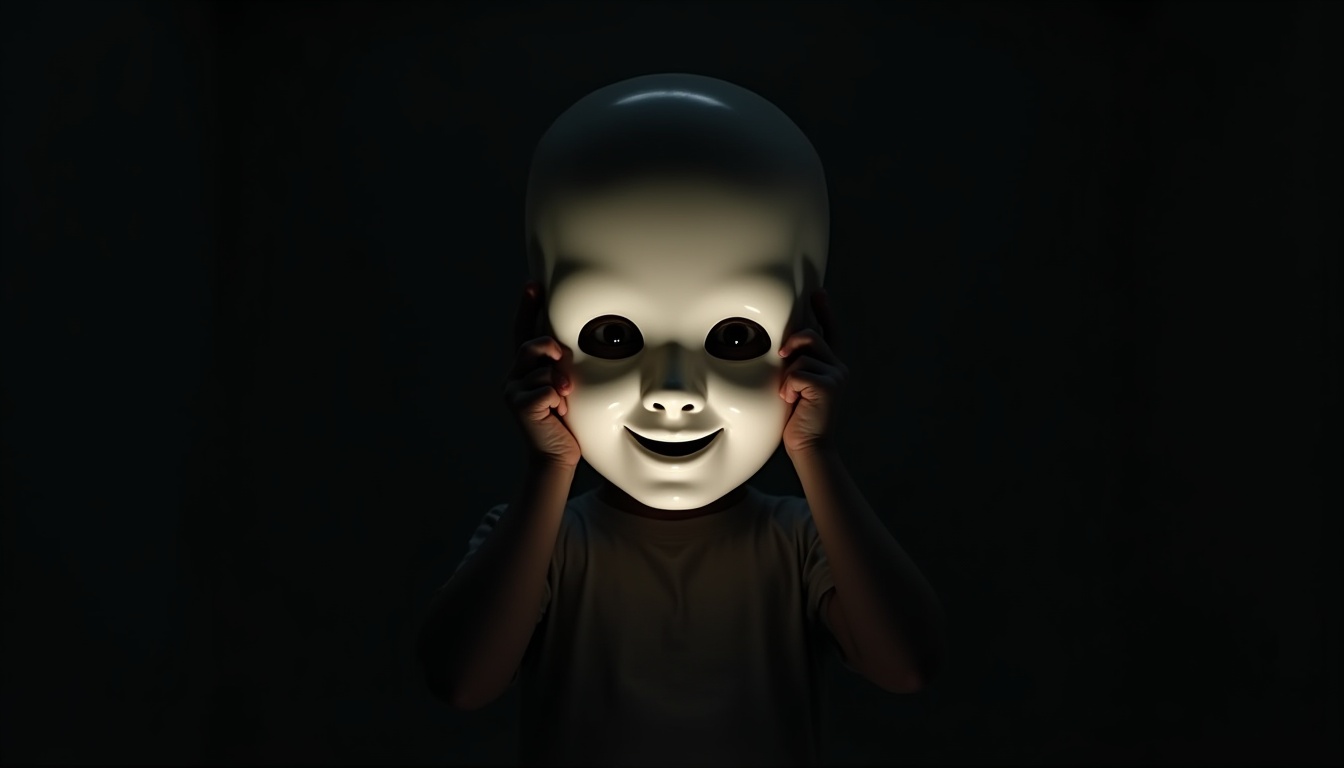
«Honey, do you want to be on TV?»
«Will everyone be watching me?»
«Of course. Everyone.»
And just like that, the trap is set. No lawyers, no fine print, no coercion. At this stage, you aren’t offering work. You aren’t offering 12-hour rehearsals or grueling tours. You are offering the world’s most addictive drug: Validation.
In a child’s mind, the image is warm, glowing, and irresistible. But behind the glitter lies a psychological glitch we call «The Visibility Mandate.»
1. To Be Seen is to Exist
For a child, adult attention is the ultimate currency. The logic is binary and brutal:
-
If they are watching you—you exist.
-
If they aren’t watching you—you vanish.
That first «Yes» isn’t about the stage or the music. It’s a signature on a contract for the right to be noticed. The child isn’t falling in love with the craft; they are becoming addicted to the spotlight’s gaze.
2. The Slow Disappearance
It starts with the demand to be «the best.» Then it shifts to «don’t be worse than the others.» Finally, it devolves into a desperate struggle just not to disappear.
The child who said «Yes» to that first taste of fame quickly loses the border between their own desires and the world’s expectations. They stop living and start performing, fueled by the primal fear that if the applause stops, they cease to matter.
3. The Withdrawal Nobody Talks About
Quitting the spotlight at twenty is a thousand times more painful than stepping onto the stage at five. It’s not a career change; it’s a total loss of self.
The Bottom Line: The first «Yes» is the first brick in the wall of a future identity crisis. You aren’t giving them a «head start.» You are depriving them of the right to be a human being without an audience.

